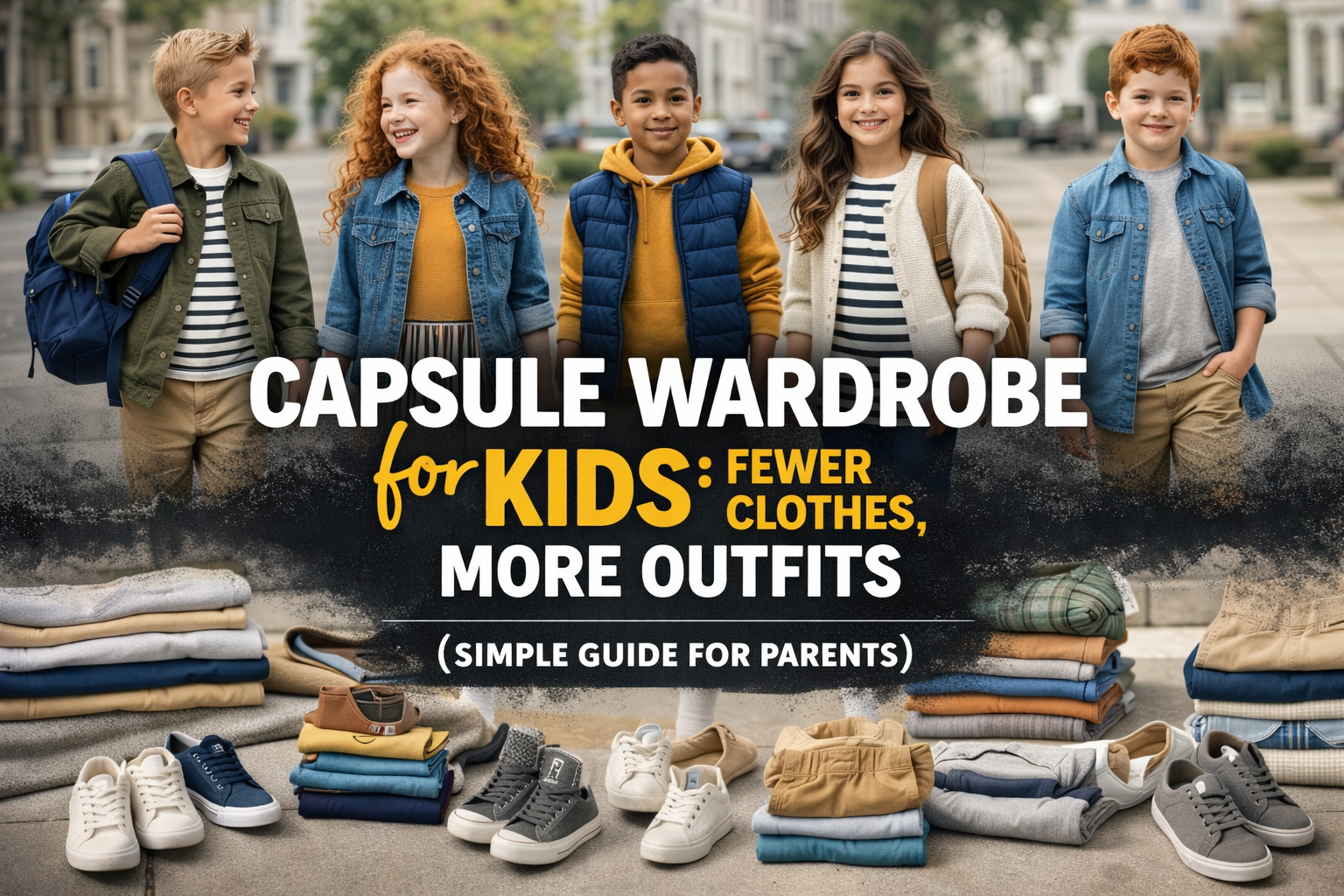
Capsule Wardrobe for Kids: Fewer Clothes, More Outfits (Simple Guide for Parents)
Capsule Wardrobe for Kids: Fewer Clothes, More Outfits
Laundry piles. Overstuffed drawers. Kids wearing the same two shirts while 20 others sit untouched.
If that sounds familiar, a capsule wardrobe for kids might be the sanity-saver you didn’t know you needed. The idea is simple: fewer, better pieces that all mix and match — so your child has more outfit options with less stuff.
Let’s break it down in a way that actually works for real families.
What Is a Capsule Wardrobe for Kids?
A kids capsule wardrobe is a small, intentional collection of clothes that:
-
Coordinate in color
-
Work across multiple outfits
-
Fit your child’s real lifestyle (school, play, weather)
Instead of 40 random items, you might have 15–25 versatile pieces that create dozens of combinations.
Goal: Less clutter, easier mornings, and clothes your child actually wears.
Why Parents Love Capsule Wardrobes (and Kids Do Too)
1. Mornings Get Way Easier
When everything matches, your child can dress themselves without fashion disasters (goodbye neon stripes + polka dots combo).
2. Less Laundry & Less Stress
Fewer clothes = fewer decisions = fewer piles of “outgrown but still here” items.
3. You Save Money
You buy intentionally, not emotionally. No more “cute but doesn’t match anything” purchases.
4. Kids Learn Simplicity
They focus on comfort and function, not overflowing choices.
Step 1: Choose a Simple Color Palette
This is the magic trick behind a successful capsule wardrobe.

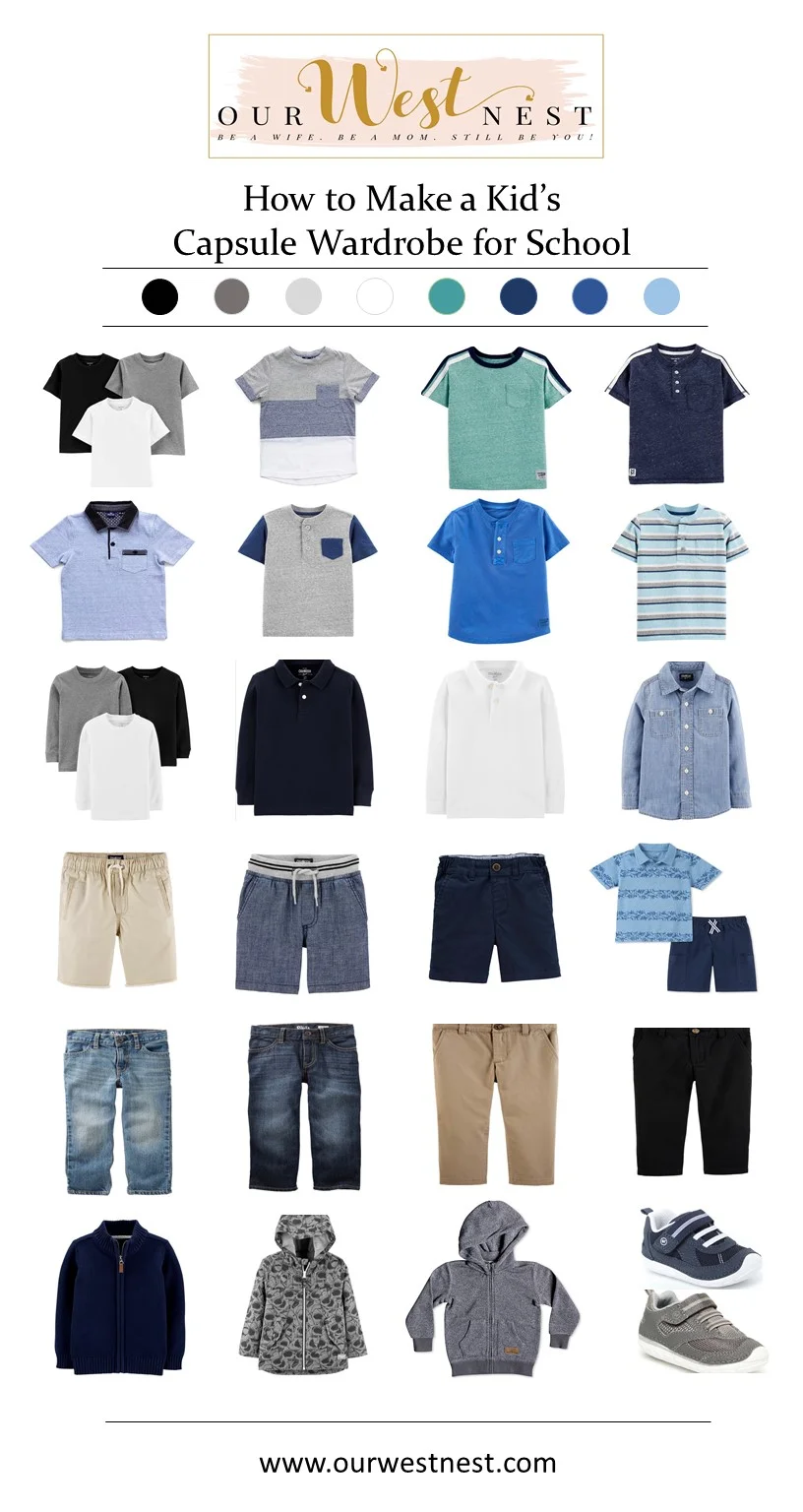

Pick:
-
2–3 base colors (easy to match)
-
Gray
-
Navy
-
Beige
-
Denim
-
-
2 accent colors (fun but limited)
-
Mustard
-
Teal
-
Soft pink
-
Rust
-
Now almost every top matches every bottom.
Step 2: Build the Core Capsule (Example)
Here’s a practical capsule wardrobe checklist for kids:
Tops (6–8)
-
3 everyday T-shirts
-
2 long-sleeve tops
-
1 nice top (family outings)
-
1 hoodie or sweater
Bottoms (4–5)
-
2 leggings / joggers
-
1 jeans
-
1 shorts (warm weather)
-
1 nicer bottom (skirt, chinos)
Layers (2–3)
-
Light jacket
-
Warmer sweater
-
Raincoat (climate dependent)
One-Piece Options (1–2)
-
Dress or romper (optional but easy outfits)
Shoes (3 max)
-
Sneakers
-
Sandals or seasonal shoe
-
Boots or dress shoes
Total: Around 15–22 items = tons of outfits.
Step 3: Focus on Mix-and-Match Power
Each item should:
-
Match at least 3 other pieces
-
Be comfortable enough for daily wear
-
Survive playground life
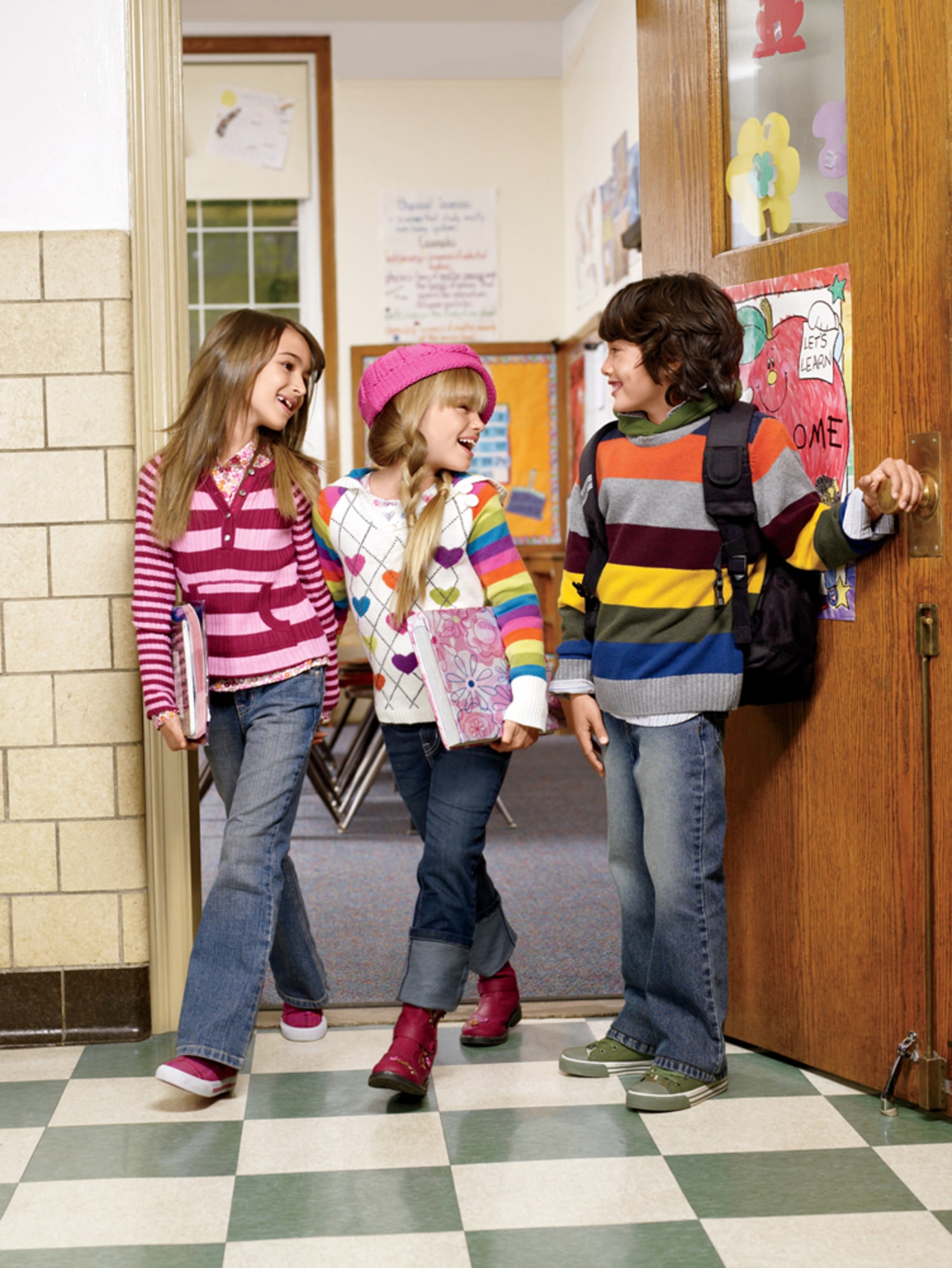


If a piece only works with one outfit — skip it.
Step 4: Choose Fabrics That Parents Appreciate
Because kids are… kids.
Look for:
-
Cotton or cotton blends (breathable)
-
Stretch fabrics (easy movement)
-
Washable materials (no special care drama)
Avoid “high maintenance” clothes unless it’s for special occasions.
Step 5: Rotate by Season
You don’t need everything out at once.
Store off-season items and keep only what fits the current weather. This keeps closets calm and helps you notice what your child actually wears.
How Many Clothes Do Kids Really Need?
For most kids:
-
7–10 everyday outfits is plenty
-
Laundry once a week works fine
-
Special occasion clothes: 1–2 items
Anything beyond that usually sits unworn.
Smart Shopping Tips for a Kids Capsule Wardrobe
-
Buy sets or coordinated collections
-
Choose solids over busy prints
-
Size up slightly for longer wear
-
Prioritize comfort over trends
Ask yourself:
“Can this match at least three other things we own?”
If not — it doesn’t make the capsule.
Final Thoughts: Less Clothes, More Freedom
A capsule wardrobe for kids isn’t about restriction — it’s about simplicity that works.
You get:
-
Faster mornings
-
Less decision fatigue
-
Less spending
-
Less clutter
Your child gets:
-
Comfortable clothes
-
Easy outfit choices
-
More room to play instead of fuss
And honestly? That’s a win for everyone.